CRM & Lead Data
Campaigns, Surveys & Compliance
of marketers use AI for audience personalization
— HubSpot State of Marketing 2024
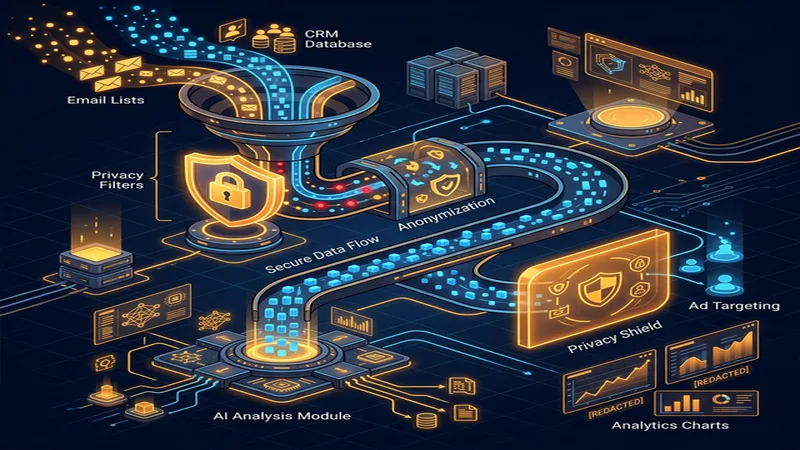
Marketing teams sit at the intersection of two competing pressures: AI-powered personalization drives conversion, but GDPR and CCPA impose strict limits on how customer data may be processed. anonymizing CRM lead data is the most common risk point — raw CRM exports containing names, emails, and purchase history are regularly pasted into AI tools for segmentation analysis without any redaction step.
The lawful path: pseudonymize the CRM export locally, run AI analysis on tokens, then apply the insights to the real dataset in your CRM. This workflow satisfies GDPR's purpose limitation principle and works seamlessly with CRM export scrubbing for AI. For teams operating across jurisdictions, GDPR-compliant marketing is the definitive guide.
Why Zero-Trust Beats Every Alternative
How PrivacyScrubber compares to common approaches in Marketing workflows.
| Approach | PII sent to AI? | Reversible? | Compliance-safe? |
|---|---|---|---|
| Raw CRM export into AI | ✅ yes | ❌ no | ❌ no |
| Manual CSV column deletion | partial | ❌ no | partial |
| PrivacyScrubber ZTDS | ❌ never | ✅ yes | ✅ yes |
Try PrivacyScrubber Free
No account. No install. Works fully offline. Your Marketing data never leaves your browser.
How to Use AI Safely in 3 Steps
The zero-trust workflow for this field — verified by airplane mode test.
Export and scrub your CRM segment
Export the contact list or audience segment. Paste into PrivacyScrubber to replace names, emails, and phone numbers with tokens. The AI sees demographics and behavior — not identities.
Run AI analysis on the anonymized dataset
Identify patterns, score segments, or generate campaign copy using the tokenized data. AI insights are as valuable without names as with them.
Apply insights back to real CRM data
Use the AI-generated segment strategy to filter your real CRM data — never sending the real contact details to the AI. The personalization happens after the AI step, in your owned platform.
Frequently Asked Questions
Common questions about AI data privacy in this field, answered.
Is using AI for customer segmentation GDPR-compliant?
It can be. GDPR requires a lawful basis for using customer data and prohibits purpose creep. Sending raw customer data to an AI provider for segmentation requires either consent for that purpose or legitimate interest assessment. Pseudonymizing before analysis satisfies the data minimization requirement.
What customer data must be redacted for AI marketing?
Names, email addresses, phone numbers, postal addresses, order IDs linked to individuals, browsing history tied to device IDs, and any field that could re-identify an anonymized record when combined with other data.
Can AI-generated ad copy violate privacy regulations?
If the copy is personalized using real customer data that was processed without proper consent or anonymization, yes. Generate copy with tokenized customer profiles, then apply real names at the CRM layer within your own platform.
How do we handle third-party marketing AI vendors under GDPR?
Any vendor that processes EU customer data requires a Data Processing Agreement. Alternatively, pseudonymize data locally before any vendor call, so no personal data is transmitted — eliminating the DPA requirement for that processing activity.
Key Terms in Marketing AI Privacy
Definitions that matter for understanding PII risk in marketing workflows.
- GDPR Consent
- Freely given, specific, informed, and unambiguous agreement to process personal data for a stated purpose. Using customer data in AI tools requires reviewing and often refreshing consent bases.
- First-Party Data
- Data collected directly from customers with their knowledge. Even first-party data must be protected when shared with third-party AI providers.
- CRM Anonymization
- Removing or replacing contact fields in CRM exports (names, emails, phone numbers) before passing records to AI for scoring, analysis, or personalization.
- Purpose Limitation
- GDPR Article 5 principle: personal data collected for one purpose (e.g. transactional email) cannot be repurposed (e.g. AI model training) without fresh consent.